
Health problems can turn life upside down in a heartbeat. One doctor’s appointment, one diagnosis, or one unexpected phone call can shift someone from feeling secure to feeling frightened and uncertain. During moments like these, people often search for something steady to hold onto. Surprisingly, that “something” is often not medicine alone. It can be a voice, a sentence, a heartfelt text message, or a few honest words that say, “You are not alone.” Encouragement becomes emotional oxygen during difficult times. It may not erase pain, but it can help someone breathe through it.
Recent emotional health research from Gallup revealed that 39% of adults worldwide reported significant worry in 2024, while 37% experienced high levels of stress. The numbers are higher than they were a decade ago, showing how deeply emotional strain affects modern life.
When physical illness enters the picture, those emotional struggles often intensify. That is why words of encouragement for health issues matter more than many people realize. They can reduce isolation, strengthen emotional resilience, and remind someone that hope still exists even in painful seasons.
The challenge is knowing what to say. Many people freeze when a loved one is sick because they fear saying the wrong thing. Others rely on clichés that sound empty rather than comforting. Real encouragement is not about pretending everything is perfect. It is about standing beside someone emotionally, even when life feels messy and uncertain. In this guide, you will discover meaningful encouragement messages, supportive phrases for different health situations, and practical ways to uplift someone facing illness with sincerity and compassion.
Best Encouraging Messages for Someone Facing Illness
Short Encouraging Health Messages
Sometimes short messages carry the strongest emotional punch. A brief text can brighten a hospital room, interrupt anxious thoughts, or remind someone they are not forgotten. Short encouragement works especially well when someone feels exhausted or emotionally overwhelmed.
Here are some uplifting examples:
- You are stronger than this moment.

- Sending you love and healing energy today.
- One step at a time. One breath at a time.
- Your courage inspires everyone around you.
- Hard days do not last forever.
- You are never alone in this fight.
- Rest, heal, and give yourself grace.
- Better days are coming.
These messages feel personal because they are direct and compassionate. They avoid dramatic language while still offering emotional warmth. Think of them like candles during a blackout. They may not light the entire house, but they provide enough brightness to keep moving forward.
Short encouragement also works beautifully in cards, social media comments, or handwritten notes. Consistency matters more than length. Someone battling illness often remembers repeated support long after treatment ends.
Related: 45+ Get Well Soon Messages for Him
Deep Emotional Support Messages
Sometimes deeper encouragement is needed, especially when someone feels emotionally shattered or frightened by their condition. In those moments, people often need reassurance that goes beyond surface-level positivity.
Consider messages like these:
- Even on your hardest days, your life still holds value, beauty, and purpose. Illness may challenge your body, but it does not erase who you are.
- I know this journey feels exhausting, and I know there are moments when fear gets loud. But please remember that you are surrounded by people who care deeply about you and believe in your strength.
- You do not have to prove your strength every minute of every day. Real courage sometimes looks like resting, crying, or simply making it through another difficult afternoon.
Deep encouragement works because it feels emotionally honest. It does not ignore pain. Instead, it acknowledges suffering while gently pointing toward hope.
Encouraging Words for Serious Health Conditions
Messages for Cancer Patients
Cancer changes life emotionally as much as physically. Treatments can feel brutal, uncertainty becomes constant, and emotional fatigue often grows quietly in the background. Encouragement for cancer patients should focus on courage, dignity, and emotional companionship.
Helpful examples include:
- Your bravery shines brighter than this diagnosis.

- You are more than your illness.
- Every day you continue fighting is a victory.
- You are surrounded by love stronger than fear.
- Your strength inspires people even when you cannot see it.
Avoid making unrealistic promises such as “Everything will definitely be okay.” Instead, focus on presence and support. Cancer patients often appreciate honesty combined with compassion far more than forced optimism.
Messages for Chronic Illness Warriors
Living with chronic illness requires a special type of endurance. Unlike short-term sickness, chronic conditions can create endless cycles of pain, fatigue, appointments, and emotional exhaustion. Many people with invisible illnesses also face misunderstanding from society.
Recent research found that many individuals with chronic conditions hide symptoms to avoid making others uncomfortable.
That reality makes encouragement even more important.
Meaningful chronic illness messages include:
- Your invisible battle is still real and valid.
- You are doing your best, and that is enough.
- Pain does not define your worth.
- I admire your resilience more than words can express.
These statements help restore emotional dignity to people who often feel unseen.
Encouragement for Surgery Recovery
Recovery from surgery can feel frustratingly slow. Many patients expect quick improvement and become discouraged when healing takes longer than anticipated.
Supportive surgery recovery messages include:
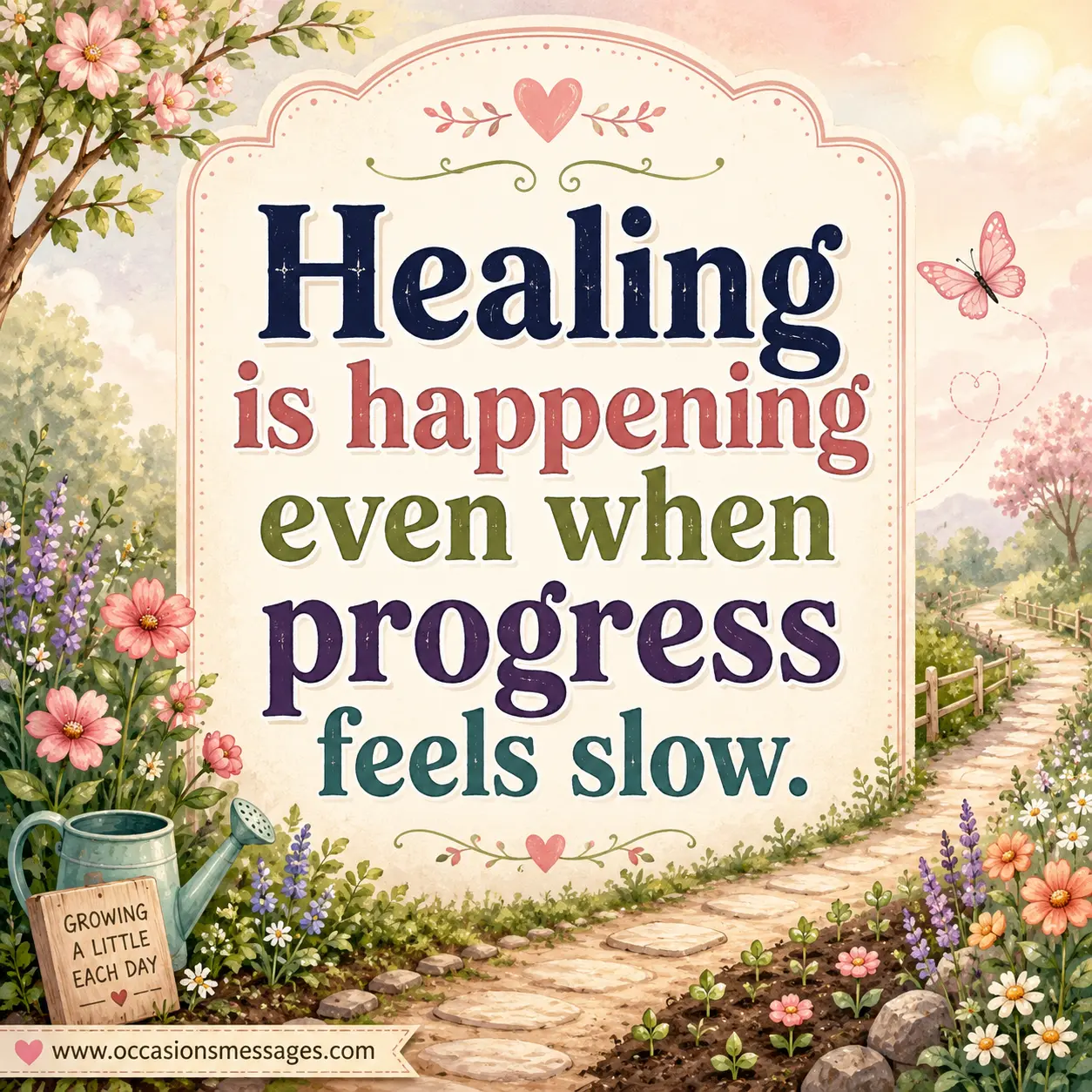
- Healing is happening even when progress feels slow.
- Your body is working hard to recover.
- Rest is part of recovery, not weakness.
- Every small improvement matters.
Patience becomes essential during recovery. Encouragement reminds patients that setbacks do not equal failure.
Check Also: 36+ Enjoy Your Vacation Wishes and Greetings
Faith-Based and Spiritual Encouragement Messages
Spiritual Quotes That Inspire Strength
Spiritual encouragement works because it shifts focus from fear toward meaning and hope. It reminds people that suffering does not erase purpose.
A comforting quote might say:
- Storms do not last forever, and even the longest night eventually welcomes the sunrise.

That imagery matters emotionally. Metaphors help people visualize endurance and renewal during painful seasons.
Encouragement Messages for Mental Health Struggles
Anxiety and Depression Support Messages
Mental health struggles deserve the same compassion as physical illness. Anxiety and depression can make ordinary tasks feel overwhelming. Encouragement should emphasize patience, validation, and emotional safety.
Helpful messages include:
- You are not weak for struggling.
- Healing is not linear.
- Your feelings are real and important.
- You deserve kindness, especially from yourself.
- Small progress still counts.
A 2025 report found many people avoid discussing mental health because they fear awkward conversations or judgment.
Encouraging words can help break that silence.
How to Speak Without Judgment
Judgment often increases emotional pain. Avoid phrases like:
- Snap out of it.
- Others have it worse.
- You’re overthinking.
Instead say:
- I’m here for you.
- That sounds really difficult.
- You do not have to explain your feelings perfectly.

Supportive listening often matters more than advice.
Encouraging Family Members and Caregivers
Support Messages for Caregivers
Caregivers quietly carry enormous emotional weight. They often focus so much on helping others that they ignore their own exhaustion. Research describes caregivers as the invisible backbone of healthcare systems.
Encouragement for caregivers might include:
- Your care makes a bigger difference than you realize.
- You deserve support too.
- Thank you for showing such incredible compassion.
- Remember to care for yourself as well.
Caregivers need reminders that their emotional needs matter too.
New Article: 40+ Words of Encouragement for Granddaughter
Helping Families Stay Strong Together
Illness affects entire families. Stress can create tension, fear, and emotional burnout. Encouragement within families helps maintain connection during difficult periods.
Healthy communication includes honesty, empathy, and emotional openness. Families that encourage one another often cope more effectively with long-term health challenges.
What Not to Say to Someone With Health Problems
Better Alternatives That Show Empathy
Instead, try phrases like:
- I’m sorry you’re facing this.

- I’m here to listen anytime.
- You do not have to go through this alone.
- What can I do to support you right now?
Empathy sounds simple, but emotionally it feels powerful.
FAQs
1. What are the best words of encouragement for someone sick?
The best encouragement words are honest, compassionate, and supportive. Examples include “You are not alone,” “I believe in your strength,” and “Take things one day at a time.”
2. What should you avoid saying to someone with health issues?
Avoid dismissive phrases like “Just stay positive” or “Everything happens for a reason.” These comments can unintentionally minimize emotional pain.
3. Why are encouragement messages important during illness?
Encouragement helps reduce loneliness, supports emotional resilience, and reminds people they are cared for during difficult times.
4. How do you comfort someone with chronic illness?
Listen without judgment, acknowledge their struggles, and offer ongoing support instead of temporary sympathy.
5. Can emotional support improve recovery?
Research suggests emotional support improves well-being, treatment adherence, and quality of life for many people facing health challenges.
Last Updated on June 1, 2026
SHARE ON